




Colorado stream access debate drifts beyond 2026 after lawmakers fail to find compromise between landowners, recreationists
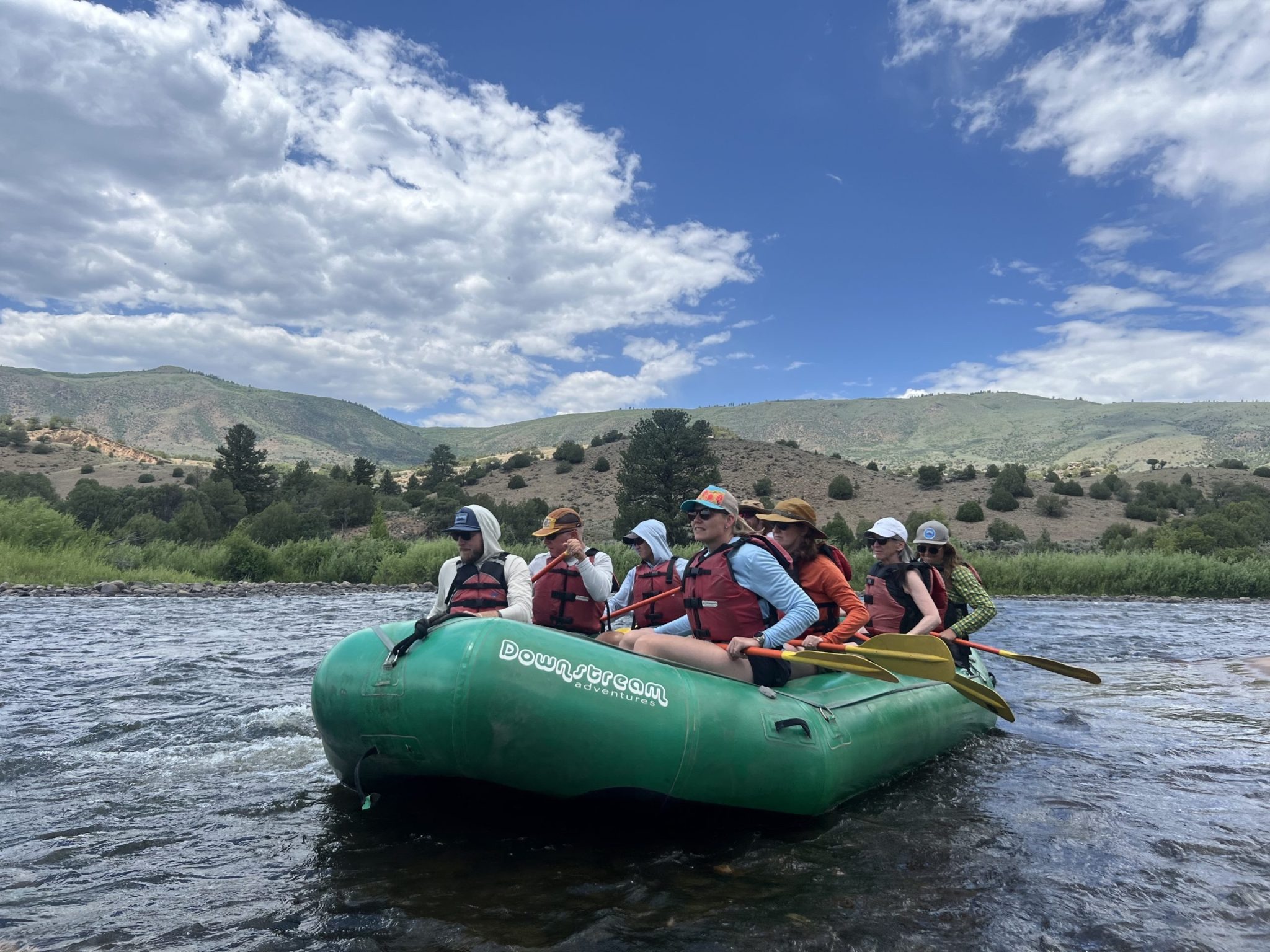
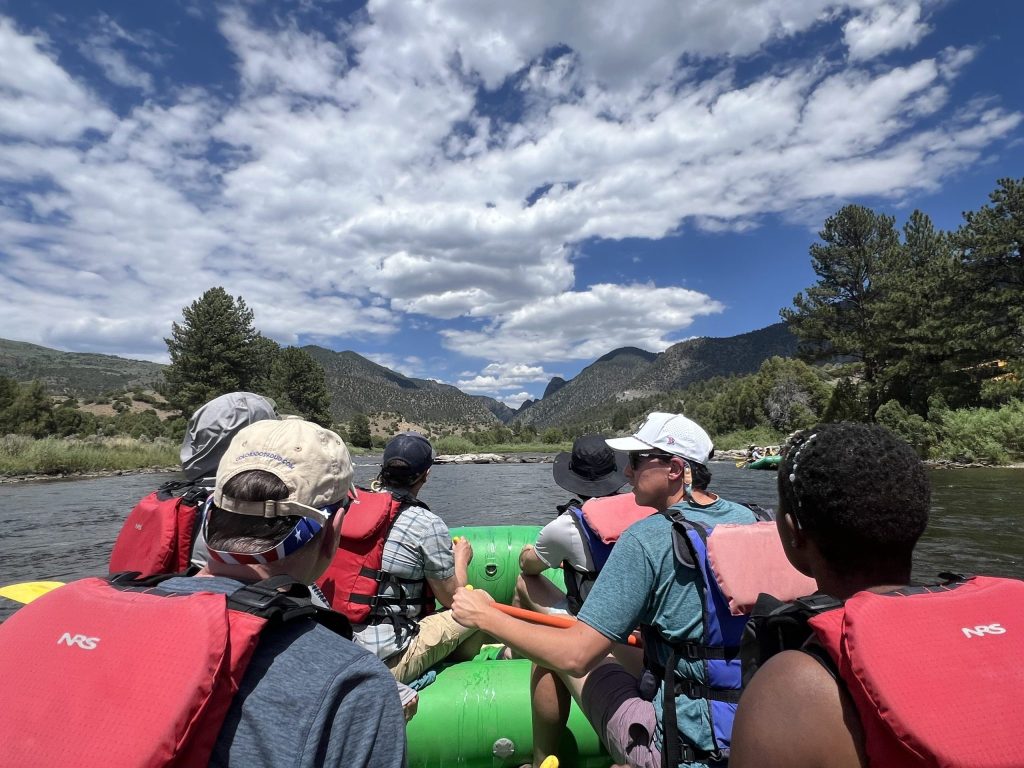
Last summer, a group of Colorado legislators hopped aboard several rafts with river guides and conservationists to float a mellow section of the Colorado River south of Kremmling.
The trip was organized by a coalition of outdoor recreation advocates, who’d hoped to persuade lawmakers to once again wade into the issue of stream access and what rights the public has when recreating in rivers that run through private property.
But over the course of Colorado’s 120-day legislative session, no such bill was introduced. A compromise between recreationists and landowner groups, which lawmakers had been seeking, never materialized.
“I was hoping that we could get to a place where both sides could come to some type of an agreement,” said Sen. Dylan Roberts, a Frisco Democrat who took part in last summer’s river trip. “That proved to not be there. If a bill were to ever come, it would be a big conversation, with a lot of opposition and a lot of passion in favor of it as well.”
River rafters have been pushing for legislation that would provide immunity from trespassing for floaters who touch the privately-owned riverbeds and banks to help with navigation. They hoped the proposal could provide a tailored solution and avoid the longstanding fight over whether river beds should remain private property or be publicly owned.
Landowner groups remained resistant to any legislative approach, which they say would only breed conflict. They would prefer to see river access issues continue to be resolved the way they’ve long been, with agreements made between landowners and river users.
“The legislature is a very difficult space to have that kind of dialogue, especially once a bill gets formed, then it becomes a fight,” said Lesli Allison, executive director and founding member of the group Western Landowners Alliance.
‘Right-to-float’ proposal was in the works
The last time lawmakers tried to pass legislation on public river access was in 2010, with a bill that supporters say would have secured the “right to float” through private property by shielding rafters from trespassing charges if they touched the bed or banks of rivers that had already been commercially floated.
The bill brought hundreds to the Capitol for hours of testimony and heated debate. It failed amid pushback from landowners, who raised concerns about their property rights, and supporters of the right to wade, who argued the bill’s focus should be broader than just floating and address the need for public ownership of river beds.
Heading into this year’s legislative session, supporters of public river access advocates were again at odds over what kind of policy they should push for.
Not long after organizing lawmakers’ river trip last summer, the stream access coalition, made up of several outfitting and conservation groups, split into two camps. One was focused on the right to wade in rivers, primarily driven by anglers, while the other was concentrated on the right to float.
It was the latter group, which dubbed itself the River Recreation Alliance, that ultimately pursued legislation this year.
“We heard from legislators that the path for a floating bill seemed a little bit more doable,” said Hattie Johnson, Southern Rockies restoration director for American Whitewater, one of the groups in the right-to-float camp.
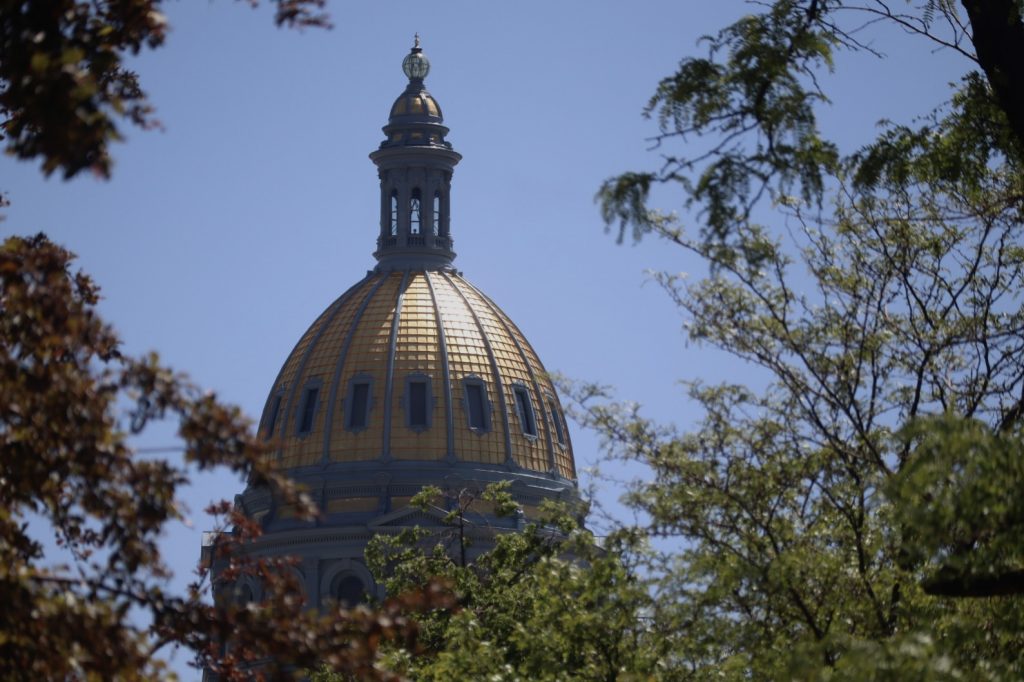
A right-to-wade bill would have meant taking on private property ownership of river beds. A study published last year by the free-market think tank Common Sense Institute warned that the state, should lawmakers go that route, would be at risk of violating the takings clause of the Colorado Constitution, which prohibits the government from taking or damaging private property without compensation.
Johnson believes legislation focused instead on floating would minimize those risks, since it would not strip land from property owners.
Her coalition’s proposal also would have allowed rafters to touch the bed and banks of rivers only for safety reasons, such as scouting, portage and to avoid obstacles, according to a one-page memo Johnson shared.
Walking, wading, anchoring or wade fishing would not be protected under the proposal, which also would have provided liability for landowners when accidents or injuries occurred in the river.
She said legislative action is needed to clarify the state’s river access laws, which have left the public in a legal gray area. While most states in the West have legislation protecting the public’s right to float, Colorado does not, and past legal battles over river access have largely been handled on a case-by-case basis by state courts.
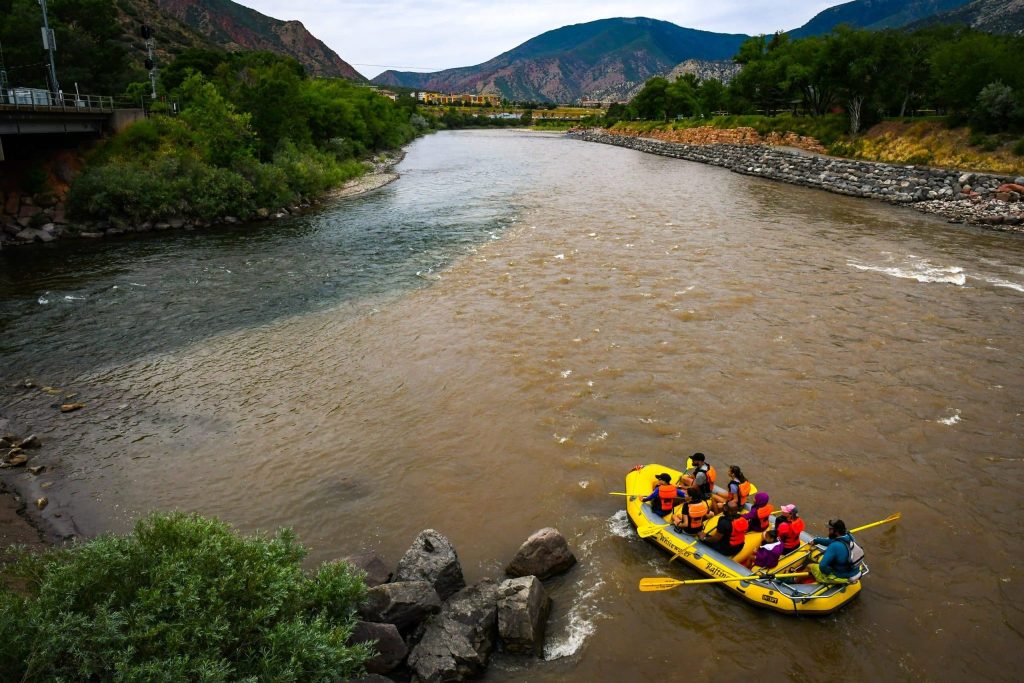
Most outfitters currently rely on a patchwork of agreements with landowners to access different sections of streams. But Johnson said there continue to be conflicts with landowners. American Whitewater collected more than two dozen reports last year from recreationists who said they were harassed and at times threatened by landowners during trips downstream.
“We have real concerns that a conflict like the ones we’re already seeing is going to be more intense in the coming years, and we’ll be in the position that we’re currently in, where we have unclear and murky laws around it,” Johnson said.
Rafters, landowners remain at odds
The rafting coalition’s ideas, however, were never formally drafted into legislation.
Johnson said she blames an “imbalance of power” between right-to-float advocates and landowner groups. While public access to rivers is broadly popular in Colorado, according to polling, Johnson said the “systems of power, especially at the Capitol, lean heavily toward the land-owning few.”
“Our opposition was able to hire just more lobbyists and attorneys to work on this,” she said.
The Colorado Water Conservation Alliance, one of the groups formed in opposition to right-to-float legislation, did not respond to multiple requests for comment. In a social media post on May 13, the last day of the 2026 legislative session, the group celebrated that no bill had come forward to alter what it called Colorado’s existing “float, don’t touch” system.
“Colorado’s longstanding ‘float, don’t touch’ custom has allowed recreation to coexist alongside private property and complex water law,” the group wrote. “Many legislators ultimately recognized that proposals to rewrite that balance carried serious legal uncertainty and the potential for unintended consequences.”
Allison, the executive director of the Western Landowners Alliance, said while her group wasn’t as directly involved in discussions about a bill this year, she’s glad to see lawmakers not move forward with legislation. She sees it as not just a win for property rights, but conservation as well.
“There’s a bigger picture than, ‘Can I float my raft down a particular stream?'” Allison said. “… We’re in a time when we have to be talking as much about limits as opportunities. Colorado’s a crowded state, and most of the West’s best rivers for floating and for fishing are increasingly crowded.”
Allison said it’s “easy to paint all landowners as greedy billionaires,” but feels many have been viewed in an overly negative light when it comes to the issue of stream access. She said conflicts are a rare occurrence, and that most relationships between landowners and rafters are positive. Many landowners, some of whom are multi-generational Coloradans, want to preserve undeveloped spaces and often turn to recreation as a revenue source to do so, she added.
“If you were to open public access, then it really undermines their investment,” Allison said. “It can lower land values. It certainly undermines the motive for staying there. It certainly deters other landowners from investing in those places.”
While some lawmakers were receptive to the right-to-float proposal, they still had concerns about making the state vulnerable to litigation and other unintended consequences.
Roberts said if a bill had passed, there would “surely be lawsuits that would be filed and the state would be on the hook for defending those lawsuits.” He said that would quickly become a challenge given the state’s dire budget constraints.
Another concern was whether landowners who have current agreements that allow outfitters to float through their property would close access.
“We actually might have ended up in a worse off spot than we currently are, and that really troubled me, because I don’t want to do anything to impact current agreements and good behavior over a political fight at the state Capitol,” Roberts said.
He added, “These conversations should be happening by the river and with landowners and with the local boaters and then, once they’re ready, they can bring it here to the Capitol. But I don’t think it’s our job to force something through that’s not quite ready.”
Issues around access are ‘not going away’
Lawmakers said the conversations around stream access are far from over.
House Speaker Julie McCluskie, a Dillon Democrat who also took part in last summer’s river trip, said the conversation is “still early in its development.”
“I think it’s important for legislators, particularly in districts like mine, to take more time and to hear from all sides and see if we can strike the right balance on stream access,” she said.
McCluskie, who is term-limited after this year, won’t be in office next legislative session. But she hopes stream access discussions continue, adding that complex and contentious policy often takes multiple attempts to pass.
“I think with any really big policy, there is wisdom in incrementalism,” McCluskie said. “Starting at a place where we can agree, or at a point where people understand what the approach is and it’s narrow enough where you limit your debate and discussion to a smaller window of concerns.”
Roberts, who is running this year for a final term in the state Senate, said the issue “is not going away.” He said he wants to see more bipartisan discussion around the issue in a future session.
“There’s an individual liberty aspect of this that I think appeals to more conservative-minded folks,” Roberts said. “There is a business interest here in terms of outdoor recreation. So it should be a bipartisan, or nonpartisan, conversation.”
