




Colorado lawmakers kill proposal allowing local governments to tax vacant homes
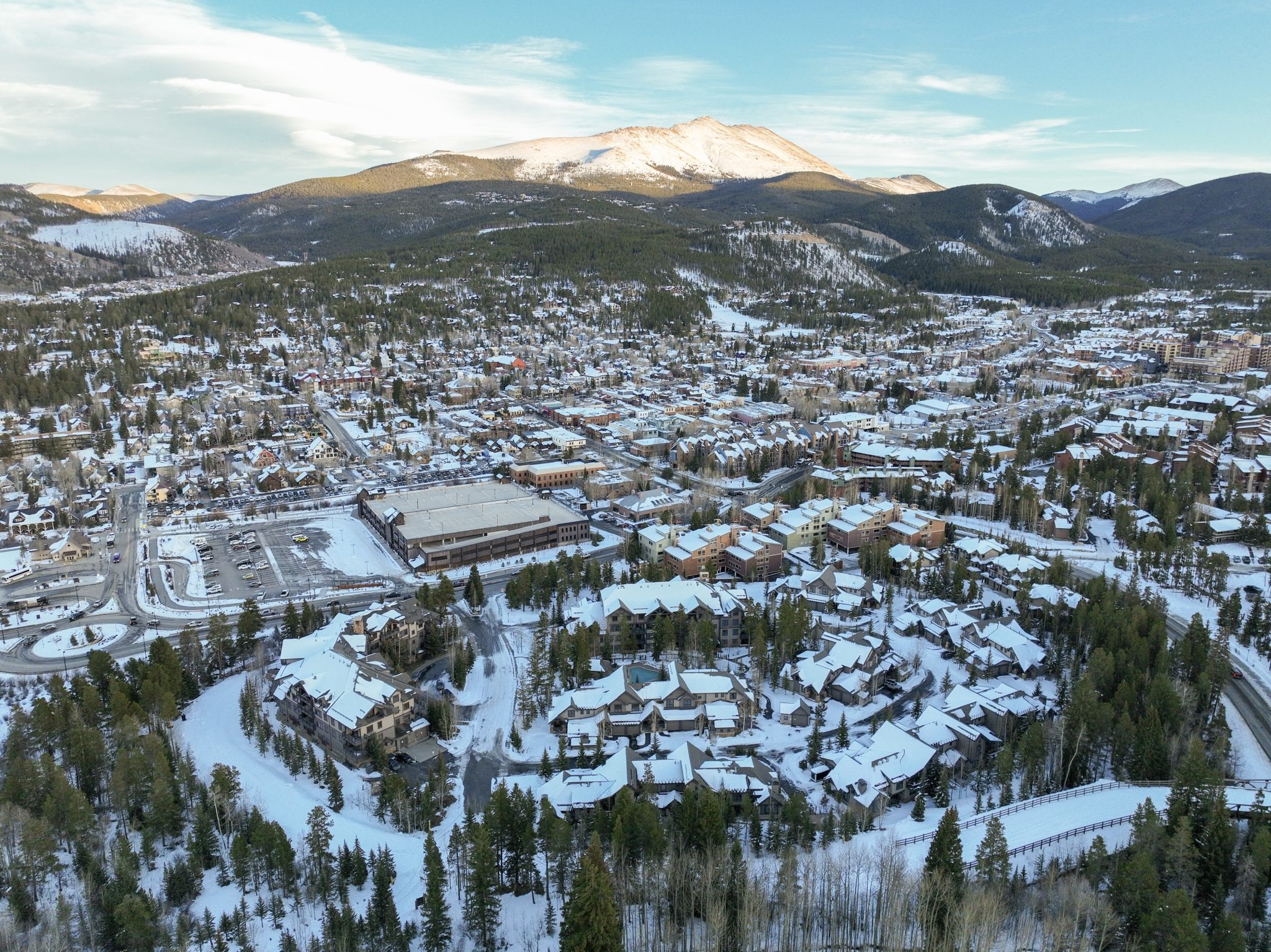
A bill that would have allowed Colorado counties and municipalities to ask voters to approve new taxes on vacant homes died Monday during its first legislative committee hearing.
House Bill 1036 was pitched by supporters as a way to combat housing shortages for local workers, particularly in mountain resort communities, and drive new revenue to affordable housing efforts. While some Colorado communities, including Steamboat Springs and Crested Butte, have considered a vacancy tax, none have been implemented. Lawmakers said they wanted to give counties, cities and towns explicit authority to do so, with voter approval.
Opponents of the measure argued, however, that it would create an unfair tax burden for certain homeowners and do little to increase the supply of affordable housing.
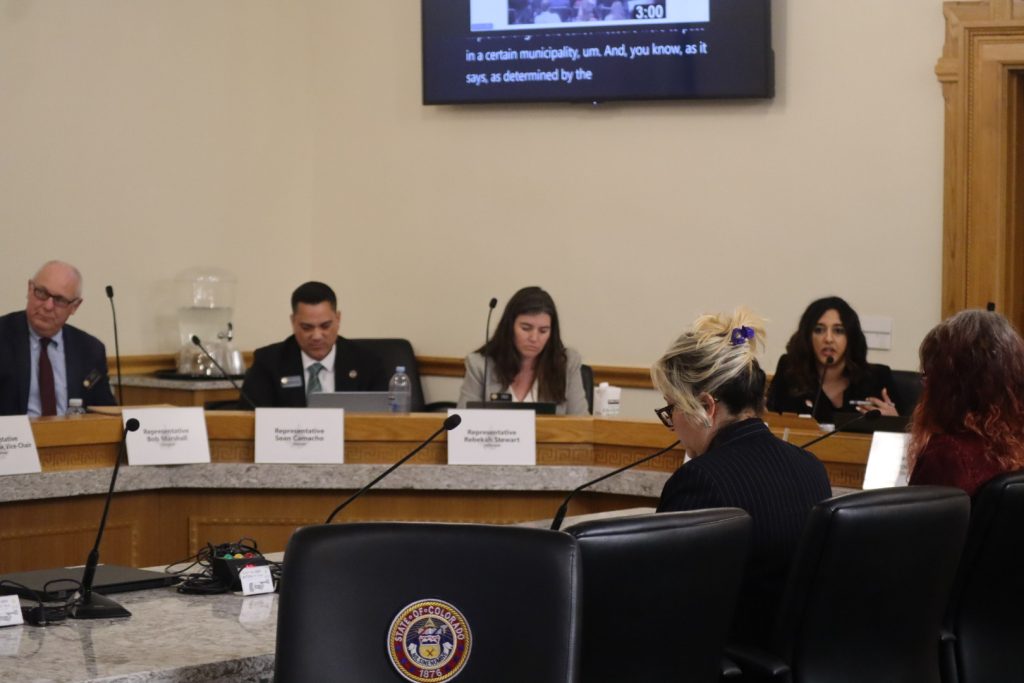
Following a more than 4-hour hearing, lawmakers on the House Finance Committee voted 7-4 to kill the bill, with three Democrats joining with the committee’s four Republicans in opposition.
Rep. Elizabeth Velasco, D-Glenwood Springs, who sponsored the bill alongside Rep. Brianna Titone, D-Arvada, said in an interview Tuesday that she’s “definitely disappointed that it didn’t pass, but we went into (the) committee really wanting to have this issue elevated.”
Velasco said she wants to bring the idea back in a future legislative session.
“This bill really came from the rural resort communities,” Velasco said. “In my mind, this is about putting our most vulnerable first and having the funds to actually do good things for our communities.”
What supporters said the bill was about
Proponents of HB 1036 said the measure would have provided another tool for local governments to generate more tax dollars for affordable housing at a time when many counties and municipalities are dealing with tight budget constraints.
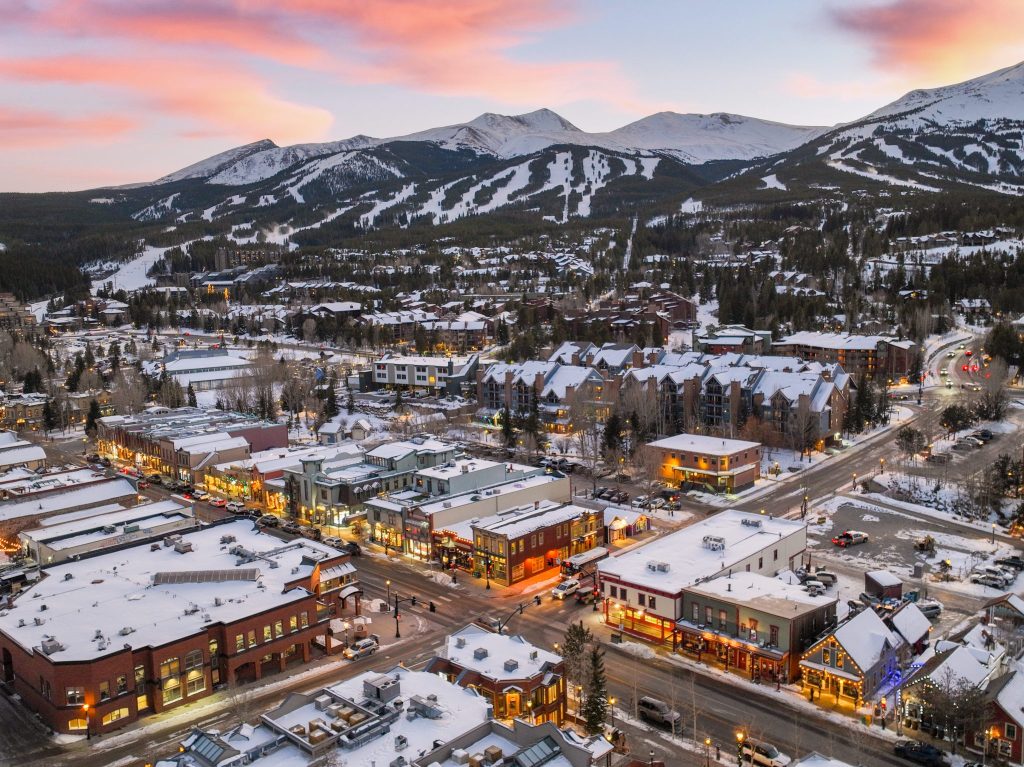
They argued that imposing a vacancy tax also could have incentivized more second-home owners to rent their properties to local residents, especially in High Country communities, like Velasco’s, where housing supply is already limited.
In some mountain counties, as much as 70% of all housing sits vacant throughout the year, according to 2020 U.S. Census data.
Along with taking up housing stock, Titone said vacant homes do not contribute to sales tax dollars, one of the prime revenue sources for towns and cities.
“A vacancy tax would balance the contributions of local and visitors’ sales tax revenue with the lack of contribution resulting from unoccupied homes,” Titone said during Monday’s bill hearing.
Representatives for several local government groups, including the Colorado Municipal League, Colorado Association of Ski Towns, and Counties and Commissioners Working Together, also spoke in favor of HB 1036 on Monday. They stressed that the bill respected local control by giving voters the ultimate say on whether to impose a vacancy tax.
Under the Taxpayer’s Bill of Rights, any government measure that increases taxes must be put to a vote.
“Colorado municipalities and counties are on the forefront of this (housing) crisis,” Elizabeth Haskell, legislative and policy advocate for the Colorado Municipal League, said during Monday’s hearing. “They’re hearing from employers who can’t hire, workers who are leaving and families who are living in overcrowded and substandard conditions, because there’s no alternative.”
Who opposed the bill, and why?
Opponents who spoke against HB 1036 included second-home owners, real estate groups and short-term rental advocates. Many criticized a vacancy tax as being unfair and an affront to property rights.
Mike Ryan, a retired high school teacher who said he owns a second home in Grand Lake, said a vacancy tax on his home would lead him and his wife to have “serious financial issues.” He added he’s already paying property taxes on his Grand Lake home, money that goes to the county and school district.
“Consider all the second-home owners who generously pay property taxes in districts where their children do not attend, and the resentment that an additional tax would create,” Ryan said.
Tyron Adams, CEO of the Colorado Association of Realtors, said a vacancy tax would only make housing more expensive. He added that there are many legitimate reasons why a home may be vacant, including repairs and transitions between tenants.
The bill was amended before it was killed to allow for more exemptions from a vacancy tax, including for timeshares and instances where a property owner has died. It was also changed to prohibit vacancy taxes in communities where fewer than 25% of homes are vacant based on Census data.
Bill sponsors said they wanted to give latitude to local governments to define the details of a vacancy tax, including the amount of time a property would need to sit empty to be taxed, and how vacancies would be determined. They did exempt short-term rentals from the bill, but language added to the legislation through an amendment caused heartburn for some in the industry.
Julie Koster, executive director for the Colorado Short-term Rental Association, told lawmakers she was concerned that the bill would only exempt “licensed” vacation rentals, because many resort communities have license caps. She said homeowners who are on a waitlist for a license but want to short-term rent could be subject to a vacancy tax.
“That is patently unfair and the result of government actions that the homeowner cannot avoid,” Koster said.
How lawmakers voted
Republicans were uniformly opposed to HB 1036.
Rep. Ken DeGraaf, R-Colorado Springs, said he was concerned about the bill’s viability and that it could lead to local governments violating homeowners’ privacy. Rep. Max Brooks, R-Castle Rock, said a vacancy tax is an “absolute violation of property rights that I can’t get behind.”
Democrats were divided, with several raising questions around implementation and fairness.
Reps. Titone, Yara Zokaie, D-Fort Collins, Lorena Garcia, D-Adams County and Steven Woodrow, D-Denver, ultimately voted in favor of the bill.
Woodrow said he appreciates the bill giving communities local control and said he could see a vacancy tax driving more six to nine-month leases.
Reps. Bob Marshall, D-Highlands Ranch, Rebekah Stewart, D-Lakewood and Sean Camacho. D-Denver, voted with Republicans to kill the bill.
Camacho said he received “unexpected outreach from so many of my constituents” who were concerned about no longer being able to afford a second home in a different community, which was a chief reason for why he decided not to support the bill.
Stewart said she found much of the testimony on the bill “compelling,” including concerns from vacation rental advocates that vacant homes wouldn’t be able to convert to short-term rentals due to license caps.
“I find that problematic,” Stewart said.
Velasco, speaking Tuesday after the bill’s failure, said HB 1036 would have been most impactful for rural resort areas, where vacant homes are a more prevalent issue.
“The reality in our urban communities is not the same as in rural communities,” she said.
Published on SummitDaily.com.
